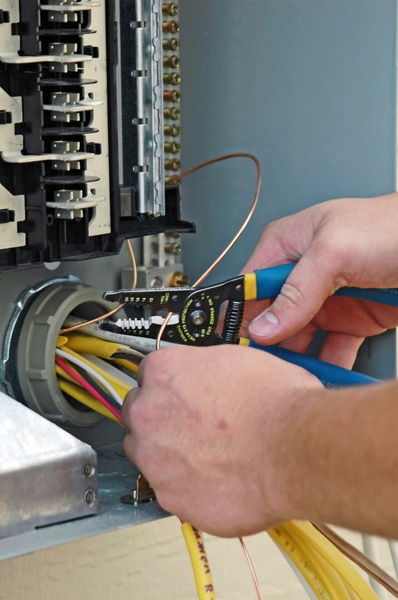
We watch out for the safety of our customers. Keeping electrical systems running without hazards for a house is an essential part of the job of any professional electrician. But our electricians in Orchard Park, NY have a special safety focus, which is replacing outdated electrical panels. Assessing the current electrical panel for age, condition, and compliance with modern codes is crucial before deciding to replace or upgrade.
There are many older homes in Western New York which still have their original wiring and electrical panels. Those panels may have been fine decades ago, but they aren’t right for modern electrical demands. The current panel may not support modern heating, cooling systems, or new technology like electric vehicles and solar panels. The amp panel’s capacity often falls short as homes require more electricity due to increased electricity usage and electrical use from new appliances and devices.
And then there’s the Federal Pacific electrical panel, which presents a significant fire danger for homes—and is found in far too many of them! If you have a Federal Pacific electrical panel in your house, please schedule service with us as soon as possible to have it replaced. Unusual noises such as buzzing or crackling from the existing panel or main panel are warning signs that it may need to be replaced. The circuit breaker inside your home’s electrical panel plays a key role in ensuring safety by protecting against overloads and preventing electrical fires.
Routine maintenance of your home’s electrical system is important to prevent hazards, ensure safety, and support future upgrades.
When should you upgrade your electrical panel?
- Your panel is more than 20 years old or no longer meets your home’s electrical demand.
- You have a Federal Pacific Electric or FPE panel, which is linked to breaker failure and fire risk.
- Your home was built before 1990 and still has its original panel.
- You want a safer system with more capacity for modern appliances and electrical use.
- A breaker panel upgrade can improve safety, reliability, and available electrical load.
Introduction to Electrical Panels
An electrical panel, often referred to as a breaker box, is the heart of your home’s electrical system. It’s responsible for distributing electricity to various circuits throughout your house, ensuring that power reaches all your appliances, devices, and lighting safely and efficiently. As our reliance on modern electric appliances, heat pump water heaters, and other energy-hungry devices grows, the role of the electrical panel becomes even more critical. Upgrading your electrical panel is essential for keeping up with increased electrical loads, preventing electrical fires, and supporting the safe operation of everything from your heat pump to your kitchen gadgets. A well-maintained panel not only keeps your home running smoothly but also helps reduce energy bills and ensures that your electrical system can handle the demands of today’s technology.
The Federal Pacific Electrical Panel Problem
Electrical panels from Federal Pacific were installed into millions of homes over four decades, from the 1950s to the ‘90s. The panels seemed to operate safely at first, and an original investigation into the panels by the Consumer Product Safety Commission in 1983 found no major danger from them at the time. But the passage of time has shown that Federal Pacific Panels have a high risk of causing electrical fires when they get old enough, overheating easily from only a single short circuit. These panels cause between 2,000 and 3,000 fires each year, and home insurance companies have noticed the numerous claims they’ve received from homes with these panels in them. Replacing the panel is essential for ensuring safety and compliance with modern standards.
This has created another problem with these panels aside from the electrical dangers. Many insurance companies won’t provide home insurance coverage in a building that has a Federal Pacific electrical panel. Often, homeowners won’t even know they have these panels until an insurance inspection locates them—and that leads to an unpleasant surprise. The best solution is to replace the Federal Pacific panel to ensure the safety of your home’s electrical system.
Do You Have a Federal Pacific Electrical Panel That Needs Replacement?
You may if your home was built before 1990. However, it’s easy to check. Look at the outside of the panel to see if it has Federal Pacific Electrical or FPE on it. If it does, call our technicians right away. The panel doesn’t need an inspection. It needs to be replaced. At this point, it’s important to evaluate whether the existing panel or main panel can be upgraded to meet current standards, or if a full replacement is necessary. An upgrade will not only see that you have a safer home, but it will also increase the electrical load for the house. Any panel that’s more than twenty years old is a potential candidate for an upgrade, even if it isn’t an FPE panel.
A panel upgrade is a straightforward job for our technicians. We can have the old panel removed quickly and a new one in its place with minimal interference in your life. And please leave the job to our licensed electricians. You can create even worse electrical hazards if you allow an amateur to do this work.
If you don’t have an FPE panel, we recommend an electrical inspection for your home if it’s been more than ten years. Routine maintenance and inspections can help identify when a service upgrade is needed, especially if the existing panel is outdated or no longer meets your home’s power needs. Our experts can find any outdated equipment or places where you can improve home safety and make the electrical system more reliable.
Frequently Asked Questions
Question: What is a Federal Pacific electrical panel?
Answer: A Federal Pacific electrical panel is an older breaker panel commonly installed in homes from the 1950s through the 1980s. Many of these panels, especially Stab-Lok models, are now considered a safety concern because breakers may not respond properly during electrical faults or overload conditions.
Question: Why are Federal Pacific panels considered dangerous?
Answer: These panels are associated with a higher risk of overheating and electrical fires because some breakers may fail to trip when they should. That means the system may not shut off power during a short circuit or overload, which can leave a home less protected than a modern panel.
Question: How do I know if my home has a Federal Pacific panel?
Answer: Check the label on the outside of the electrical panel for the name Federal Pacific Electric or the initials FPE. Homes built before 1990 are more likely to have one. If you find that label, have a licensed electrician confirm it and recommend the next step.
Question: Should a Federal Pacific panel be repaired or replaced?
Answer: Replacement is usually the recommended option because the concern is with the panel and breaker design itself, not just one worn component. Installing a modern panel improves safety, supports current electrical demands, and can help avoid future issues with inspections or insurance.
Question: What should I do if I discover a Federal Pacific electrical panel in my home?
Answer: Schedule an evaluation with a licensed electrician as soon as possible and avoid trying to fix or upgrade it yourself. A professional can confirm the panel type, explain the risk level, and replace it with a safer modern panel with minimal disruption to your home.
Scherer Electric is Western New York’s Favorite Electrician! Schedule a vital electrical panel upgrade with us today.